
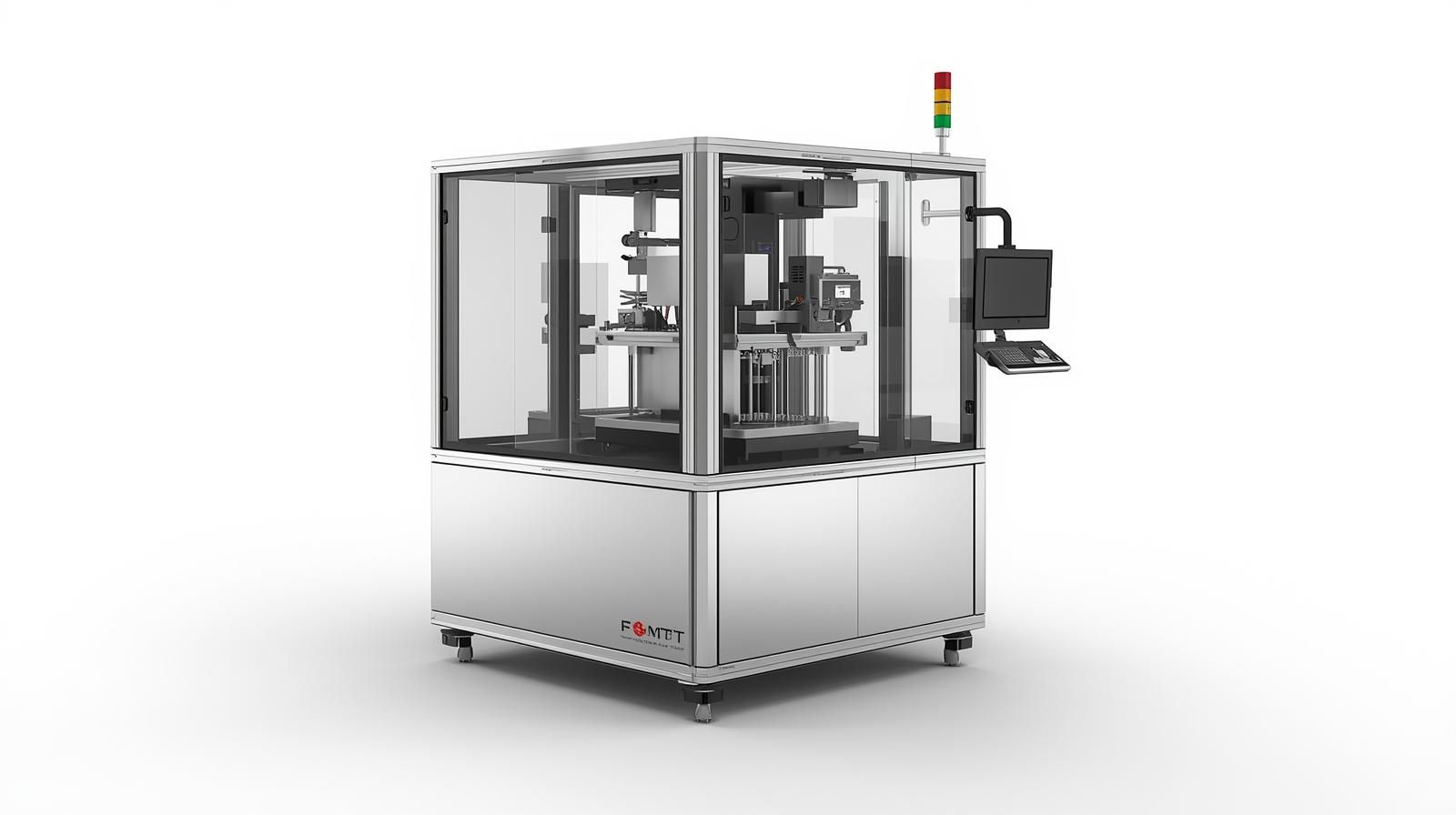
Detailed Technical Principles of Tape and Reel Machines (TRM)
Tape and Reel Machines (TRMs) are essential for high-volume electronics manufacturing, particularly for SMT (Surface Mount Technology) lines. They automate the process of feeding, placing, sealing, and winding components in carrier tape, ensuring high-speed, consistent, and safe packaging.
1️⃣ Mechanical Components
1.1 Component Feeding System
The feeding system ensures components are delivered to the tape with correct orientation and timing.
Types of Feeders:
- Tray Feeders: Components in trays are picked by robotic arms or vacuum nozzles. Tray feeders are suitable for ICs, sensors, and other sensitive modules.
- Vibratory Bowl Feeders: Small passive components (resistors, capacitors) are oriented via vibration and mechanical channels. Components are sorted and aligned before placement.
Technical Features:
- Orientation Correction: Mechanical guides, rollers, or vision-based alignment ensures components are in the correct position.
- Pick-and-Place Mechanism: Vacuum nozzles or grippers pick the component and place it accurately into the carrier tape pocket.
Engineering Insight:
Proper feeding eliminates misfeeds, reduces tape jams, and ensures components are not damaged during handling.
1.2 Tape Transport and Pocket Alignment
- Carrier Tape: Standardized pocket tape, typically 8mm–32mm wide, holds components during SMT feeding.
- Tape Advance Mechanism: Stepper motors or servo motors advance tape pocket-by-pocket. Precision is usually ±0.1 mm per pocket.
- Cover Tape Application: After the component is placed, a cover tape seals the pocket. The pressure applied must be uniform to avoid component displacement.
- Tension Control: Tension rollers and feedback sensors maintain constant tape tension, preventing stretching or warping.
Comparison to Manual Methods:
Manual spooling cannot maintain uniform tension or precise alignment, resulting in inconsistent packing and increased component damage.
1.3 Reel Winding System
- Take-up Reel: Collects fully loaded tape.
- Tension Control Mechanism: Uses servo motors to maintain optimal tension for precise winding.
- Reel Detection: Sensors detect reel presence, tape end, or improper winding.
- Speed Control: Winding speed adjusts dynamically to match placement speed.
Buyer Insight: Automated reel handling significantly reduces labor costs and minimizes damaged components compared to manual spooling.
2️⃣ Vision Inspection System
Advanced TRMs integrate vision systems for quality control:
- Component Verification: Detects missing components, wrong orientation, or misplacement.
- Tape Defects: Detects damaged pockets or improper cover tape adhesion.
- Real-Time Feedback: Integration with PLC allows the system to pause and reject defective pockets automatically.
Technical Components:
- High-resolution industrial cameras positioned above the tape path.
- Image processing algorithms analyze component placement and tape quality.
Engineering Advantage: Vision inspection ensures high-quality output and prevents costly downstream SMT errors.
3️⃣ Control System Architecture
TRMs rely on precise control systems to synchronize mechanical operations.
- PLC (Programmable Logic Controller): Coordinates feeding, placement, tape advancement, sealing, and winding.
- HMI (Human-Machine Interface): Allows operators to set parameters like tape width, speed, and component type; displays system status and errors.
- Servo/Stepper Motors: Control precise movements of feeders, tape, and reels. Closed-loop feedback ensures accuracy.
- Sensors: Include optical sensors, proximity sensors, and encoder feedback for real-time positioning.
Engineering Consideration:
Automation control reduces human error, ensures repeatability, and allows integration into modern SMT lines.
4️⃣ Workflow Sequence
- Loading: Components loaded into trays or vibratory feeders.
- Tape Preparation: Carrier tape is threaded through the feeding path; cover tape is ready.
- Component Placement: Pick-and-place mechanism deposits components into tape pockets.
- Sealing: Cover tape seals pockets using pressure rollers.
- Reel Winding: Filled tape is collected on take-up reels with controlled tension.
- Quality Inspection: Vision system checks for misfeeds, missing components, and tape defects.
- Completion: Full reel is ejected; machine ready for next reel.
Technical Comparison: Manual spooling skips automated inspection, tension control, and precise placement, causing lower throughput and higher defect rates.
5️⃣ Key Technical Parameters
| Parameter | Typical Range | Engineering Importance |
|---|---|---|
| Throughput (UPH) | 2,000–10,000+ | Determines production capacity |
| Tape Width | 8mm–32mm | Must match SMT machine requirements |
| Pocket Accuracy | ±0.1 mm | Ensures pick-and-place compatibility |
| Reel Size | 7″–13″ | Standard industry size |
| Component Size Range | 0201–32mm | Flexibility for multiple product types |
| Vision Accuracy | >99% | Minimizes defective packages |
| Operating Voltage | 220–240V AC | Compatibility with factory infrastructure |
| Noise Level | <65 dB | Factory environment compliance |
6️⃣ Engineering Advantages Over Manual Spooling
- High-Speed Operation: Thousands of units per hour with minimal human intervention.
- Consistent Quality: Precise placement, uniform sealing, and vision inspection reduce defects.
- Labor Efficiency: One operator can oversee multiple machines.
- Component Safety: Reduced handling protects sensitive ICs and passive components.
- Integration Ready: Direct feed to pick-and-place machines for continuous SMT line operation.
7️⃣ Advanced Features in Modern TRMs
- Barcode and QR Code Printing: For traceability of components.
- IoT Integration: Machines connected to MES (Manufacturing Execution Systems) for real-time production monitoring.
- AI Vision Systems: Detect subtle placement errors and automatically adjust feed or alignment.
- Adjustable Tape Width and Pocket Depth: Accommodates multiple component sizes without mechanical modifications.
Buyer Insight: Modern TRMs not only package components but provide data-driven quality control, helping manufacturers reduce waste and improve ROI.